Should You Coat Your Roof or Replace It?
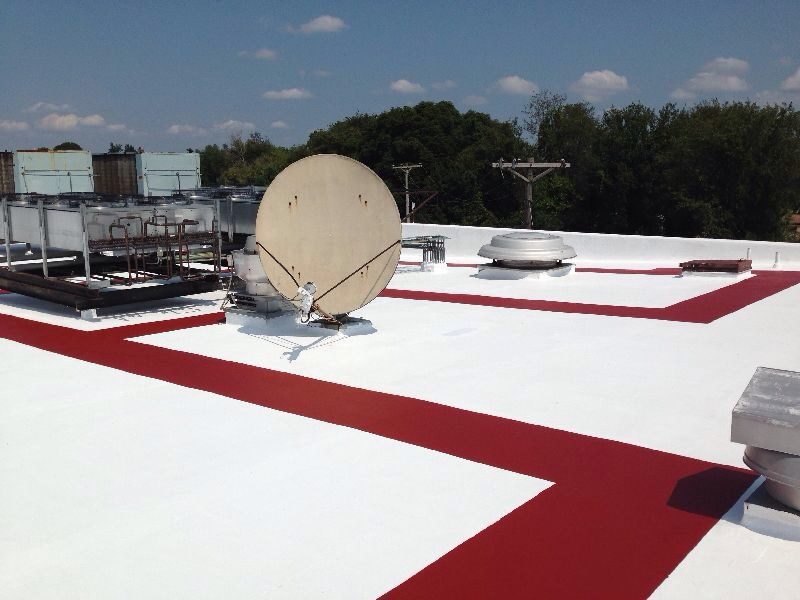
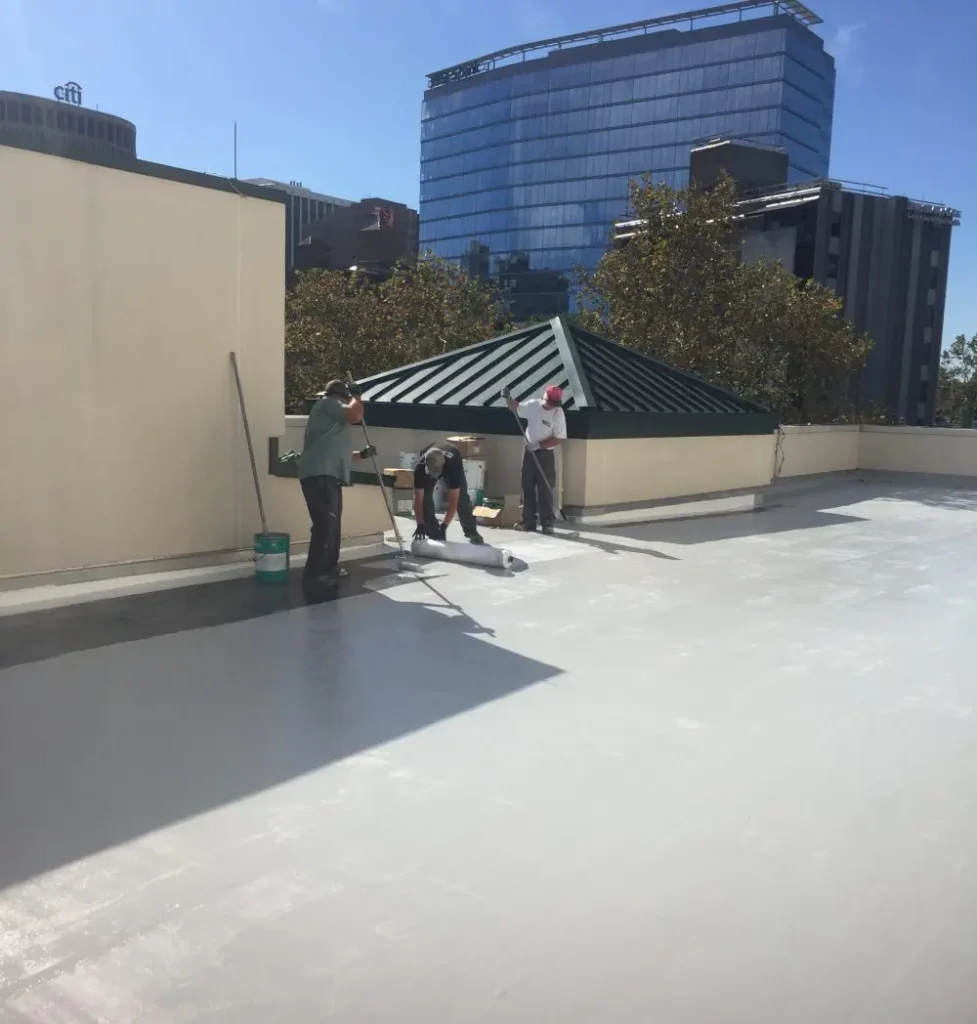
A roof coating can be a cost-effective way to extend the life of a commercial roof — but only when the existing roof is still structurally sound. In general, coatings work best when the insulation is dry, the membrane is intact, and the roof is showing normal surface wear rather than widespread failure.
Common signs that a roof may be a good candidate for coating include:
- Minor leaks or ponding that have not caused widespread damage
- Insulation is dry (a moisture scan confirms it)
- Surface wear, such as fading, chalking, or UV exposure (but the membrane is intact)
- Small cracks, seams, or isolated blisters in the membrane
- Rising cooling costs that may point to reduced roof reflectivity
- An aging roof that still has several years of useful life remaining
A coating may also make sense when roof replacement is part of a longer-term capital plan, and you need a practical way to gain additional service life in the meantime.
How to Know When Coating Isn’t Enough
A coating is usually not the right solution when the roof has larger underlying problems. Saturated insulation, widespread blistering, large open seams, major mechanical damage, or code requirements for a full system upgrade often point toward repair or replacement instead. In those situations, applying a coating may delay the inevitable rather than solve the problem.
Because coating and replacement address two very different roof conditions, the best way to determine the right path is with a professional roof inspection. A moisture scan and physical assessment can confirm whether a coating will meaningfully extend the roof’s life or whether repairs or replacement would be the better long-term investment.